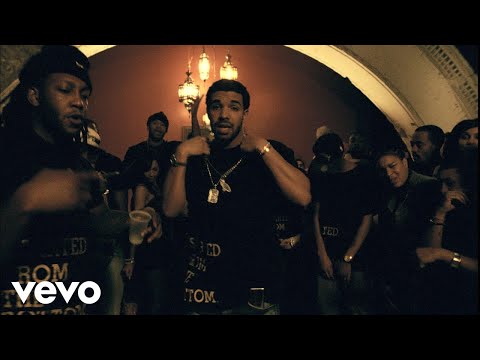
“Forever” is one of the most recognizable superstar posse cuts in modern hip-hop, bringing together Drake, Kanye West, Lil Wayne, and Eminem in a single record that helped define an era of mainstream rap collaboration. The official music video, released through Interscope and remastered in HD, continues to perform as a long-tail catalog asset and remains a reference point in discussions about elite lyricism, commercial dominance, and cross-generational influence.
The track originally appeared in connection with the More Than a Game soundtrack and later became a major marker in Drake’s early rise, while also reinforcing the status of Kanye, Lil Wayne, and Eminem as era-defining artists with distinct styles and fanbases. Its continued visibility in 2026 reflects how classic hip-hop videos can retain relevance across streaming, short-form content, reaction culture, and nostalgia-driven discovery.
From a creative standpoint, “Forever” succeeds because it turns contrast into momentum. Drake opens with a melodic, aspirational hook that makes the song accessible; Kanye injects charisma and confidence; Lil Wayne delivers eccentric, quotable swagger; and Eminem closes with technical precision and intensity, creating a rare sequence where each verse serves a different audience without breaking the record’s commercial identity.
Very positively, the song represents a high point in hip-hop collaboration. It shows how major artists can share one platform, expand each other’s reach, and create a product that benefits labels, publishers, distributors, video platforms, touring ecosystems, and the broader promotional economy. In practical terms, songs like this support jobs in production, video direction, editing, marketing, digital rights management, streaming operations, and fan engagement.
Very negatively, “Forever” can also be read as a symbol of overconcentration in the music industry. When four already-dominant names occupy one release, smaller artists are often pushed out of visibility, and the industry’s attention economy becomes even more centralized around a few global brands. Critics have also argued that the record feels calculated and prestige-driven, more like a strategic event than an emotionally urgent artistic statement.
That tension is exactly why the song still matters. In the best-case scenario, it is a masterclass in collaboration, audience crossover, and elite-level brand building. In the worst-case scenario, it reflects how major-label systems can convert artistic culture into corporate spectacle while leaving less room for risk, experimentation, or grassroots development. Both readings are valid, and both help explain why the song remains heavily discussed years later.
For society, the real contribution of records like this goes beyond entertainment. They shape language, fashion, internet culture, and the global perception of hip-hop as a major creative industry; they also help normalize the idea that rap is not a niche genre but a powerful economic engine tied to media, business, and identity. Hip-hop’s wider influence on business, community investment, and Black entrepreneurship has been widely noted in recent reporting, and landmark records like “Forever” sit inside that larger ecosystem.