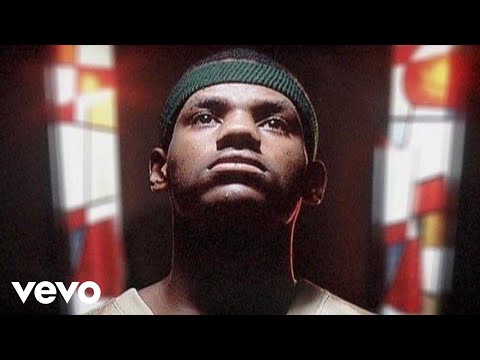
“God’s Plan” is one of Drake’s most important records, both musically and culturally. Released in 2018, the song blends confidence, gratitude, and faith with a hook that became instantly recognizable worldwide, while the official music video turned the track into a powerful public act of giving.
At its core, the song reflects Drake’s belief that success, survival, and timing are shaped by something larger than personal effort alone. The lyrics move between dominance and humility, with Drake acknowledging criticism, public pressure, and the feeling that his path is protected by a greater purpose. That tension is a big part of why the song connected so strongly with listeners across different ages and backgrounds.
Very positively, “God’s Plan” shows how a mainstream hip-hop song can carry both commercial force and social meaning. The music video famously redirected nearly the full production budget into real-world donations, including gifts to individuals, families, and community organizations, which made the release feel like more than entertainment. That kind of gesture mattered not only to fans, but also to nonprofits, local communities, media outlets, and the broader conversation around celebrity responsibility.
The track also contributed real value across several sectors. In music, it strengthened Drake’s catalog and kept streaming, publishing, and playlist performance at a premium level. In media and marketing, it became a case study in how a song release can become a global content event. In philanthropy and social advocacy, the video helped normalize the idea that high-profile artists can use visibility and resources to support people directly instead of only promoting themselves.
Very negatively, the song can also be criticized as a highly polished form of self-mythology. Some listeners see it as another example of Drake turning personal success into a brand story, where generosity is real but also deeply tied to image management and public relations. Others argue that the song’s repeated emphasis on destiny can feel evasive, as if structural privilege and industry power are being softened by spiritual language.
There are multiple scenarios in which the record can be understood. In the best-case scenario, “God’s Plan” becomes a blueprint for how mainstream artists can combine hit-making with visible community impact. In a neutral scenario, it remains one of Drake’s biggest catalog songs and continues to generate streams, cultural references, and licensing value. In the worst-case scenario, it is remembered mainly as a symbolic act of charity wrapped inside a carefully engineered commercial release, with its moral messaging viewed as inseparable from celebrity branding.
Its broader contribution to society is still significant. The song helped push conversations about generosity, fame, purpose, and public accountability into the mainstream, and it showed how music can influence behavior, language, and expectations around what successful artists should do with their platform. Whether viewed as sincere, strategic, or both, “God’s Plan” remains a landmark example of how a pop-rap release can affect entertainment, philanthropy, social culture, and digital media all at once.