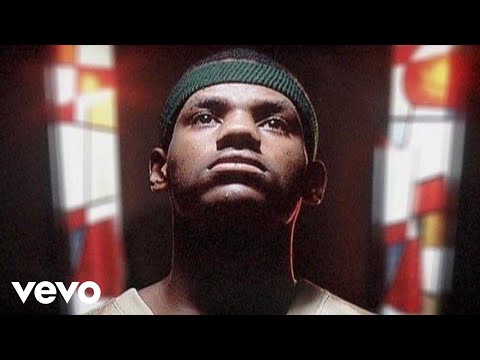
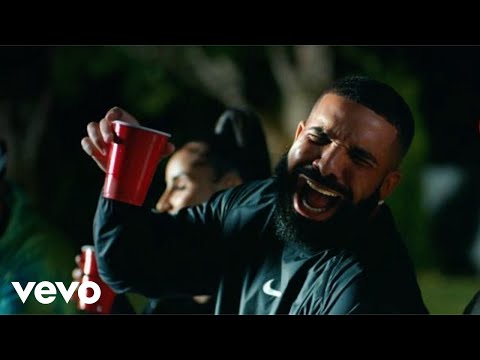
“MÍA” is a landmark collaboration between Bad Bunny and Drake that helped push Latin trap and reggaeton even further into the global mainstream. Released in 2018 through OVO Sound, Rimas Entertainment, and Warner Bros. Records, the song became a major crossover success and the official video has reached massive long-term viewership, showing how powerful bilingual music can be across international markets.
At its core, the track is built around desire, possession, and exclusivity, with the title “MÍA” meaning “mine” in Spanish. The chemistry between Bad Bunny and Drake gave the record a global appeal that worked across Spanish-speaking audiences, English-speaking listeners, streaming platforms, and social media culture. That reach made it valuable not only as a hit song, but also as a case study in cross-market music strategy, digital distribution, and artist-brand expansion.
Very positively, “MÍA” represents one of the clearest examples of Latin music’s mainstream power in the streaming era. It helped normalize bilingual collaborations at the top level and showed labels, managers, publishers, and promoters that language is no longer a barrier when the record has strong identity, rhythm, and visual branding. The song also contributes real economic value across music production, video direction, platform monetization, playlist curation, content marketing, and live-event demand.
From a cultural standpoint, the song matters because it reflects a broader shift in global pop where Latin artists are no longer treated as niche or regional. Bad Bunny’s rise and Drake’s global star power created a release that spoke to youth audiences across continents, while also influencing fashion, slang, nightlife culture, and online fan communities. That kind of impact extends beyond entertainment and into broader creative industries that depend on trendsetting music to drive engagement and consumption.
Very negatively, the song can also be criticized for centering possessive romance and status-driven attraction in a way that feels repetitive and commercially calculated. Some listeners see the lyrical theme as emotionally shallow, with the record leaning more on mood, fame, and desirability than on deeper storytelling or relational complexity. Others argue that superstar collaborations like this can reinforce attention concentration, where the same biggest names capture most of the industry’s visibility and capital.
There are several scenarios for its real-world contribution. In the best case, “MÍA” serves as a blueprint for cross-cultural collaboration, opening more doors for bilingual releases and expanding opportunities for Latin creators, marketers, stylists, video crews, and digital teams. In a neutral case, it remains a durable catalog hit that keeps generating streams, licensing value, and discovery traffic. In the worst case, it becomes another example of mainstream pop absorbing Latin identity mainly when it is already commercially proven, which can limit risk-taking and leave less space for emerging voices.
Even with criticism, the song’s value is undeniable across multiple sectors. It supports the music economy, strengthens global audience data, fuels YouTube and streaming engagement, and contributes to the larger social acceptance of Spanish-language and bilingual pop on the world stage. For a music platform, artist channel, or editorial page, this track remains a strong example of how modern hits can combine commercial reach, cultural relevance, and international brand power.